Finding and assessing web writers
Articles on evaluating web content writing and how to identify a rewriter worth working with. Published 20–21 September 2020.
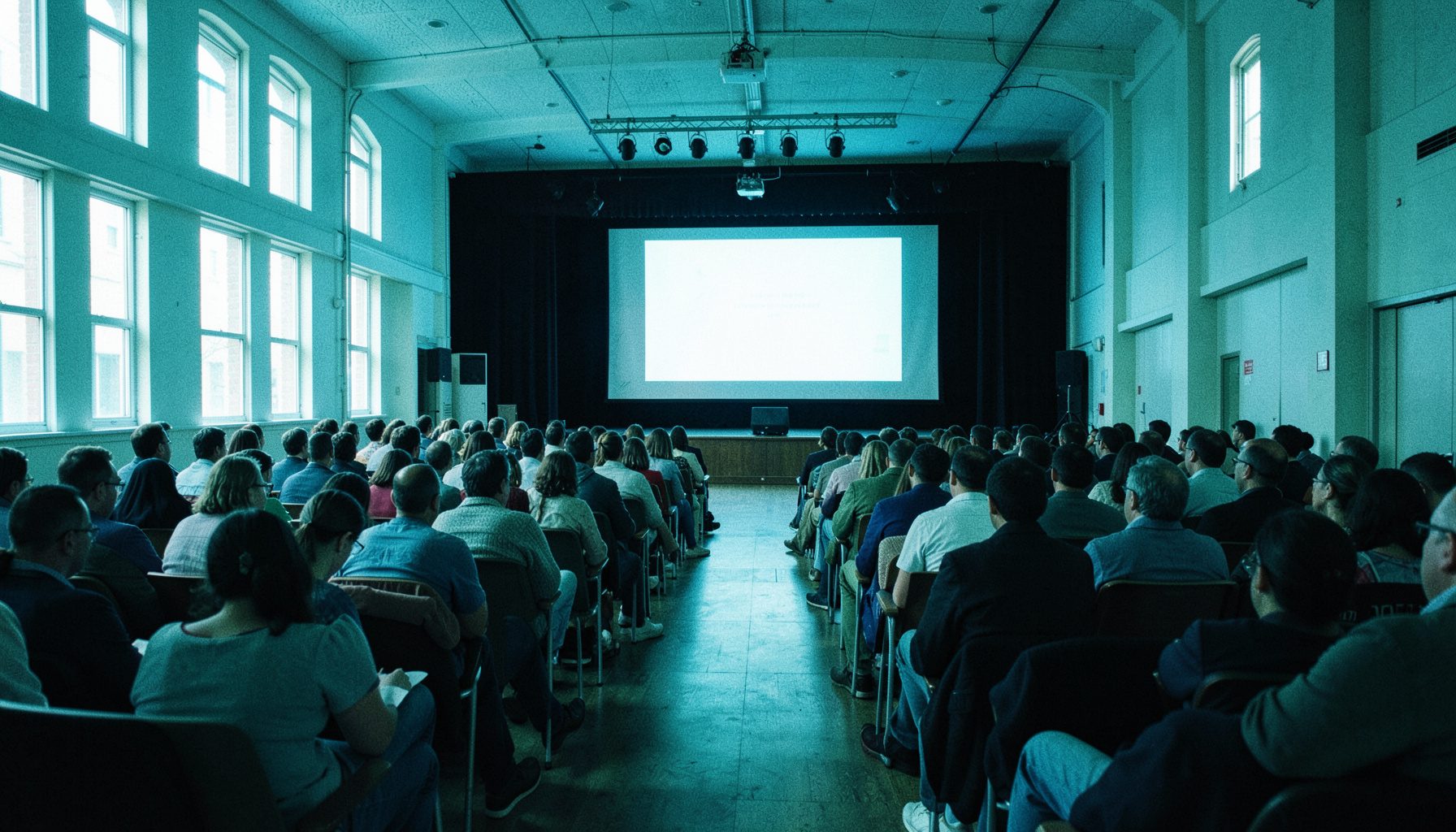
The 2nd WCPE brought physics educators, researchers and teachers together in São Paulo for a week of presentations, panels and working sessions. These pages hold the conference record: general information, important dates, committees, presentation types, abstract submission, registration and accommodation.
The 2nd World Conference on Physics Education was held in São Paulo, Brazil, in July 2016. The programme covered research into physics teaching and learning, classroom practice, and the work of physics teachers across different school systems.
The site was organised around the sections delegates worked with most: general information, important dates, committees, presentation types and topics, review criteria, abstract submission, dedicated information for physics teachers and financial support, the scientific programme with its keynote speakers, and registration with accommodation and tourist information.
Two points came up repeatedly in delegate questions: the working language of the conference, and how registration fees apply to authors who could not travel. Both are answered directly below, and in full on the FAQ page.
Oral presentations and papers were required to be made in English. For a number of high school teacher activities, simultaneous translation was provided so participants could follow the sessions in their own language.
Only participants who attended the event were required to pay the registration fee for paper publication. Co-authors who did not attend did not need to pay a registration fee for their names to appear on a published paper.
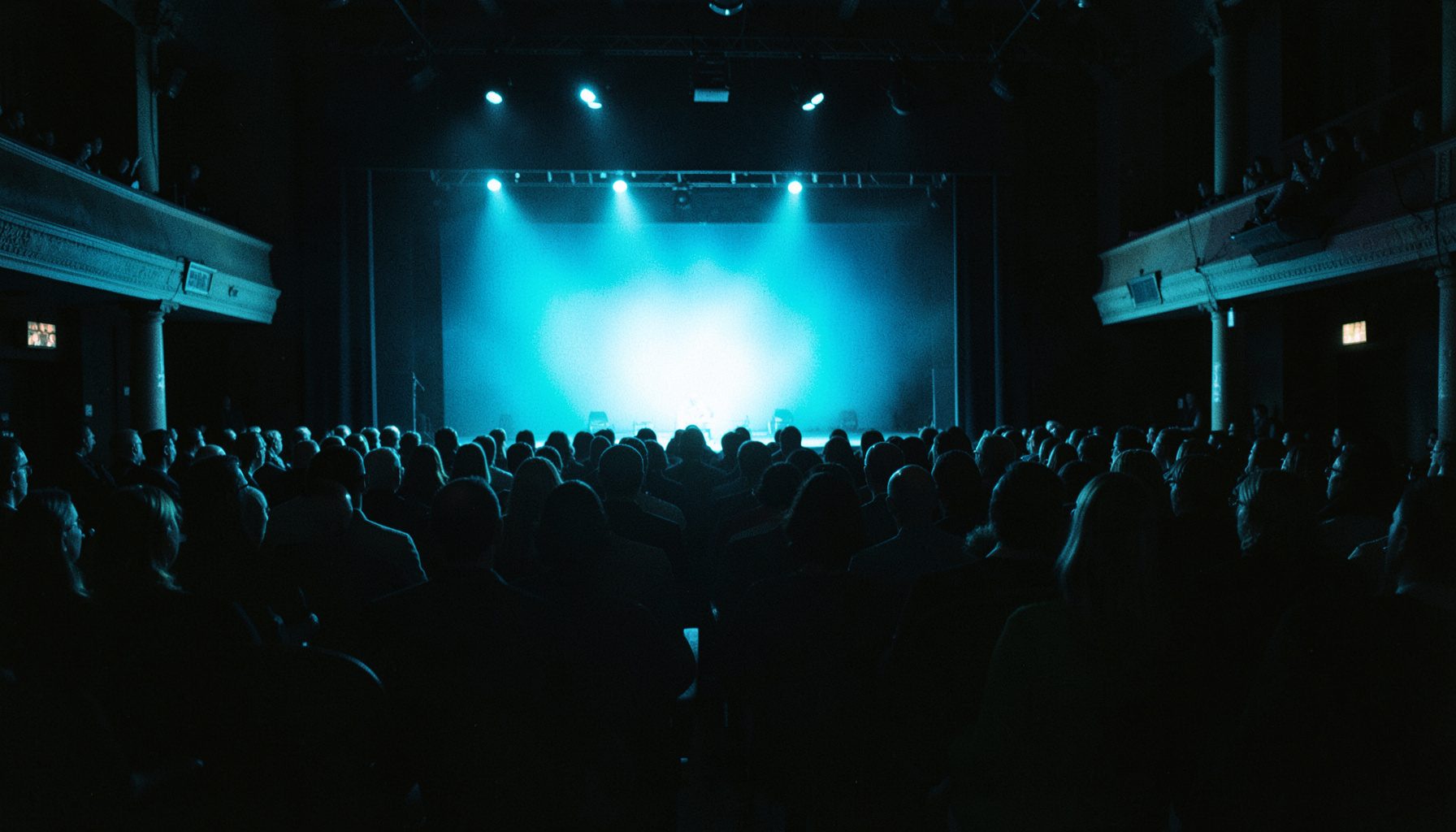
The scientific programme listed keynote speakers alongside the scheduled sessions, with the social programme and transportation details listed alongside them. Delegates could also find venue and accommodation information, together with tourist guidance for those arriving from outside Brazil.
Registration was required in order to present a paper. The table below condenses the published rules that delegates asked about most often.
| Topic | What the conference published |
|---|---|
| Language of contributions | Papers and oral presentations were required to be in English. |
| High school teacher activities | Simultaneous translation was provided for some of these sessions. |
| Registration requirement | Registration was required for those presenting papers. |
| Who paid the registration fee | Only participants who attended the event were required to pay the fee for paper publication. |
| Co-authors not attending | Co-authors who did not attend did not need to pay a registration fee for their names to be published. |
| Abstract submission | Submissions passed through a review process, with the review criteria published alongside the abstract submission guidance. |
WCPE was sponsored by organisations linked through sbfisica.org.br and endorsed by relevant physics education bodies.
Sponsor and endorser listings were published together on the contact page, alongside the organisation links for each supporting body.
This site preserves the documentary record of the 2nd World Conference on Physics Education, held in São Paulo, Brazil in July 2016. The pages gather general information, important dates, committee details, presentation formats, abstract submission guidance, and notes on registration and accommodation. Rather than a purely promotional design, the emphasis is on archiving what happened: who took part, how sessions were organised, and what materials were shared with an international community of physics educators.
The conference itself was built around the exchange of classroom and laboratory experience. Physics educators, researchers and teachers from many countries gathered for a week of presentations, panels and working sessions, allowing methodological ideas to move between different school systems and university traditions. Discussion themes typically spanned curriculum design, laboratory practice, the use of models and simulations, and the training of new instructors, all of which were captured in the session descriptions retained here.
Contributions were accepted in English, and simultaneous interpretation was provided for the plenary and parallel sessions, so that participants working across language boundaries could follow debate in real time. The programme separated contribution types, distinguishing submitted papers, oral presentations and other formats, and the archived abstract records indicate how each topic was framed in the written submission before it reached the meeting hall.
Organisational detail forms a substantial part of the archive. Committee listings outline the people responsible for the scientific programme, the local arrangements and the international coordination, while the section on important dates marks the sequence from abstract submission through review, notification and final programme release. These entries help readers reconstruct the timeline of the conference and understand the review process applied to each contribution.
For attendees planning travel, the site records practical information about registration procedures and accommodation options in and around São Paulo. Notes on how to register, which deadlines applied to early and late requests, and where participants could stay are kept together with the programme material so that the logistical history of the meeting remains accessible alongside the scientific content and the FAQ section.
The visual language of the site mirrors the tone of the event: a dark navy and steel blue foundation, generous white and light grey content panels, and a bright cyan-teal accent used for buttons, links and small circular icon badges beside feature lists. Large bold sans-serif headlines announce each section, medium-weight teal subheads act as small-caps labels, and body copy is set in soft grey-blue for comfortable reading of long archival text.
Photography plays a strong supporting role. Full-width images and large-format captures of hall sessions, poster discussions and group work carry subtle colour overlays, while soft drop shadows separate photo panels from the surrounding page. Rounded-corner cards and pill-shaped buttons in navy and teal give navigation and call-to-action elements a friendly, structured feel, and thin dividing lines or full-bleed colour blocks mark the transition between sections instead of heavy borders.
Read as a whole, the site functions as a conference archive rather than a live event platform. It preserves the programme, the abstract record, the committee structure and the practical arrangements of a meeting that brought physics teaching professionals together in one city for a week. Visitors can move between the overview, the FAQ, the programme listing and the supporting sections to reconstruct both the content of the presentations and the organisational framework that made the second edition of the World Conference on Physics Education possible.
Both papers and oral presentations were required to be in English. Simultaneous translation was provided for some high school teacher activities.
No. Co-authors who were not attending did not need to pay a registration fee for their names to appear on the published paper.
Only participants who attended the event were required to pay the registration fee for paper publication.
Yes. Registration was required in order to present a paper at the conference.
Abstract submission ran with published review criteria, and the scientific programme, keynote speakers and session details were set out separately.
The contact page carried a submission form alongside the frequently asked questions. The form collected a name, email address, phone number, a subject line and the message itself, so delegates could reach the organizing team directly.
Questions about submissions, co-author fees and the language of contributions were answered in the same place, which made the contact page the main reference point for delegates before the event.
Contact the OrganizersA separate section of this domain carried French-language articles about search optimisation and web writing. The pieces were published between 8 and 21 September 2020 and are grouped by topic on the guides page.
Articles on evaluating web content writing and how to identify a rewriter worth working with. Published 20–21 September 2020.
Pieces on semantic SEO optimisation and the reading of a content article, including what a web redaction involves. Published 13–21 September 2020.
Guidance on organising content around a semantic silo and estimating the cost of a content piece. Published 13–20 September 2020.
General information, programme, registration details and the FAQ are all available from the navigation above.
Back to the Home Page